"Fission" on the masthead is a starting point, not a boundary. Here is the field as it stands, with what has actually happened and when, so you can tell the built from the planned from the hoped-for.
Light-water fleet
Keep what works. Run it longer, harder.
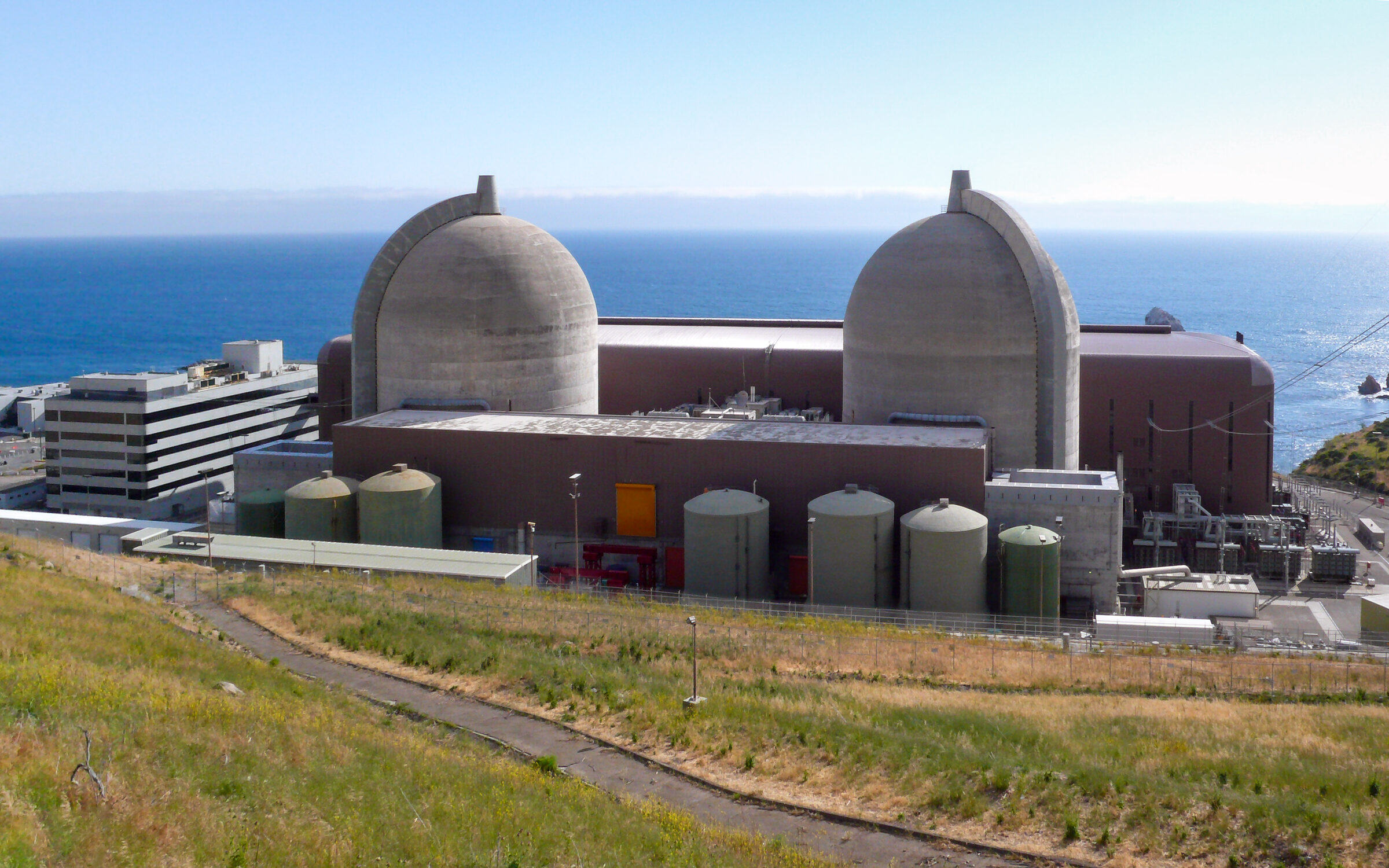
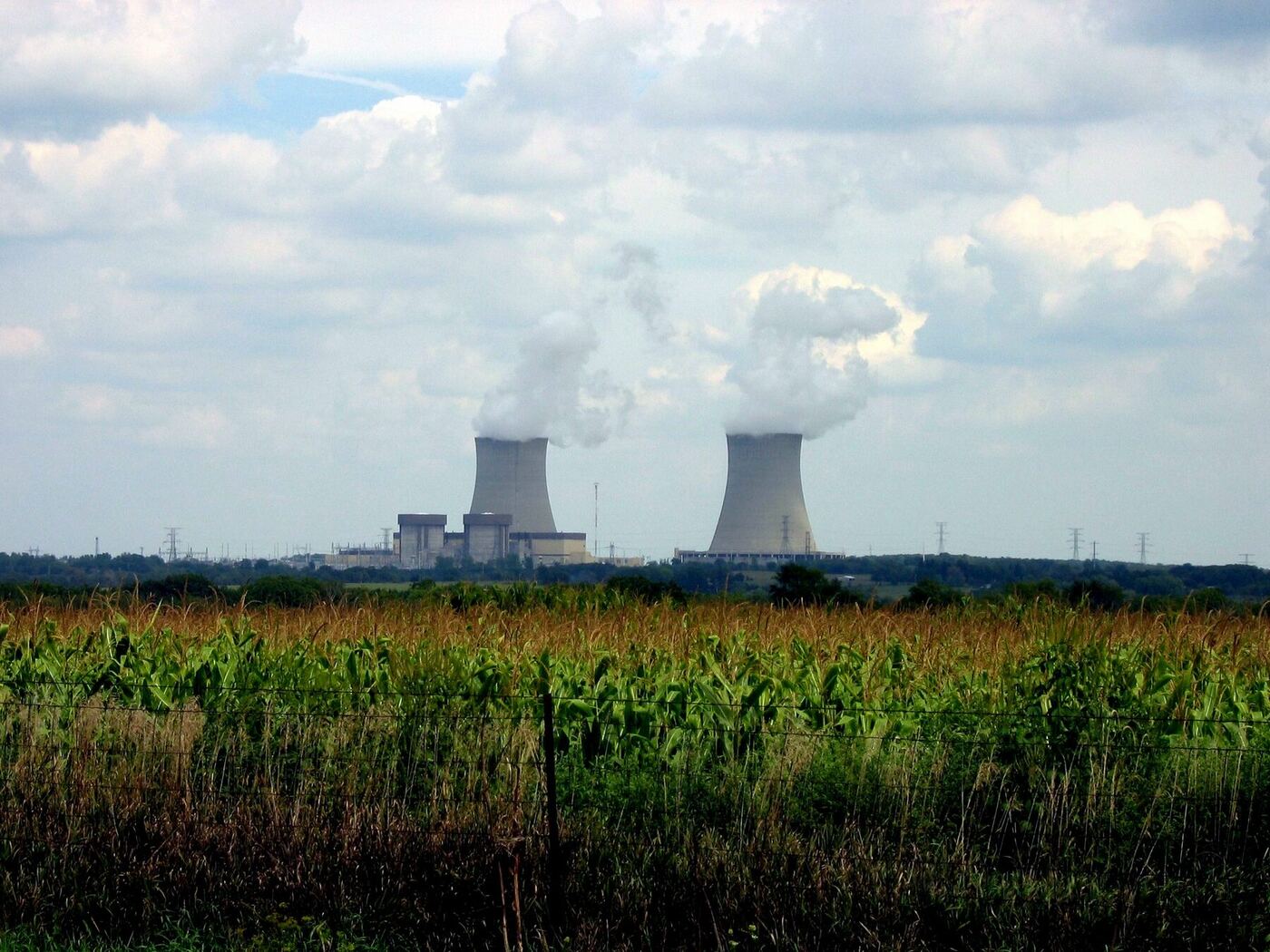
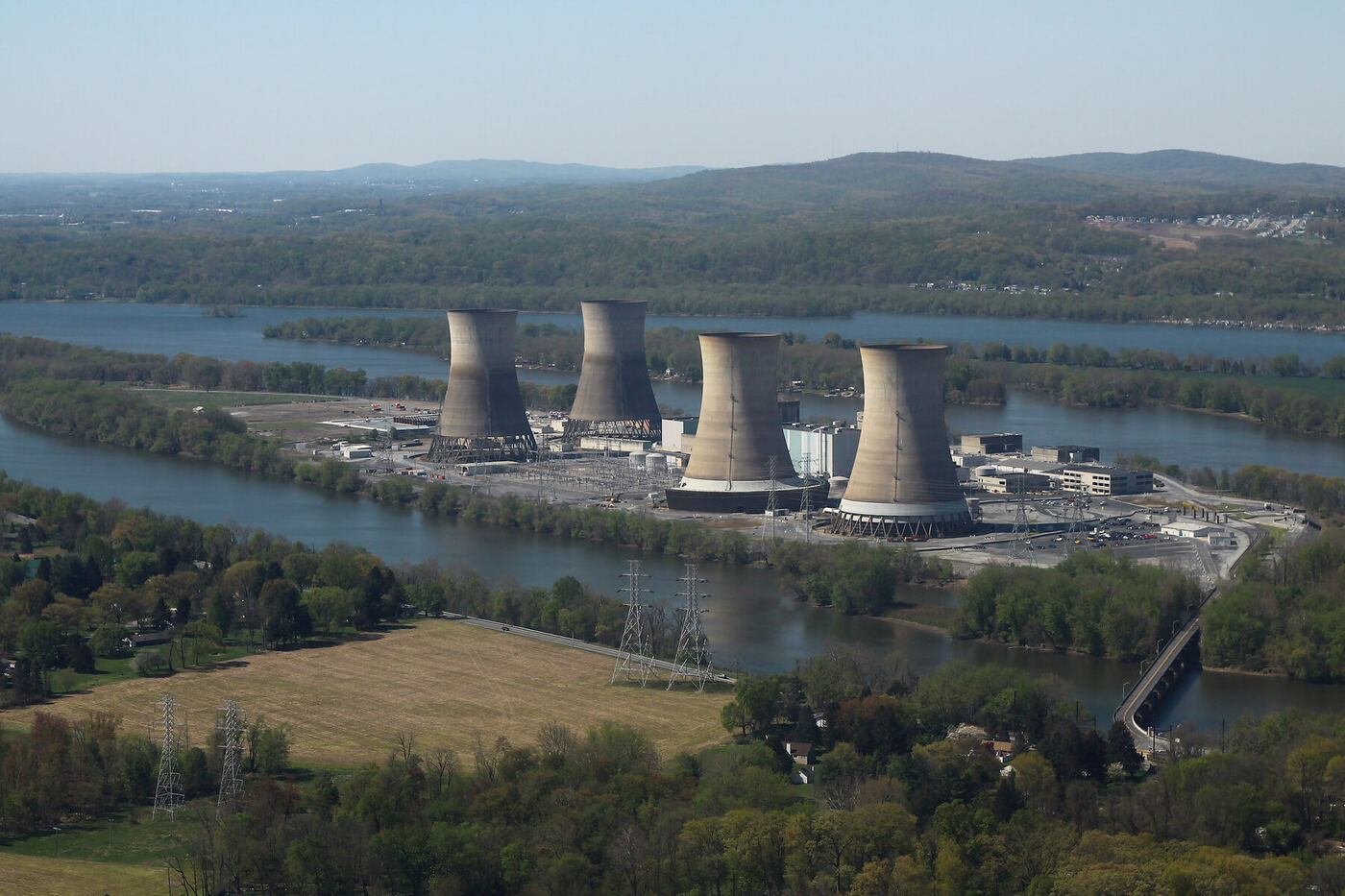
94 reactors made about 19% of U.S. electricity in 2024, at a capacity factor above 90%.10 The NRC has already cleared more than a dozen of them to run for 80 years.16 Power uprates approved since 1977 add up to more than 6,500 megawatts, the output of several new reactors, without pouring a new foundation.17
Status: built, running, extendable.
Small modular reactors
Factory-built, licensed in advance.
The NRC certified its first SMR design in January 2023 and approved a larger 77-megawatt version in May 2025.18 Canada licensed construction of the first SMR at Darlington, Ontario, in April 2025; the NRC issued the first U.S. construction permit for the same design at Clinch River, Tennessee, in September 2026.19
Status: designs approved, first units in construction, none yet generating in North America.
Molten salt & Gen IV
Hotter, lower pressure, no water.
Oak Ridge ran a molten salt reactor from 1965 to 1969.20 In December 2023 the NRC issued its first construction permit for a non-water-cooled reactor in more than 50 years, a salt-cooled test unit in Oak Ridge; in September 2024, the first for a liquid-fuelled reactor, a 1-megawatt research unit at a Texas university.20 In March 2026, a permit for a sodium-cooled power reactor in Kemmerer, Wyoming.21 The international Gen IV roadmap names six such systems.22
Status: permits, not power plants, so far.
Fast reactors & recycling
The "waste" is mostly fuel.
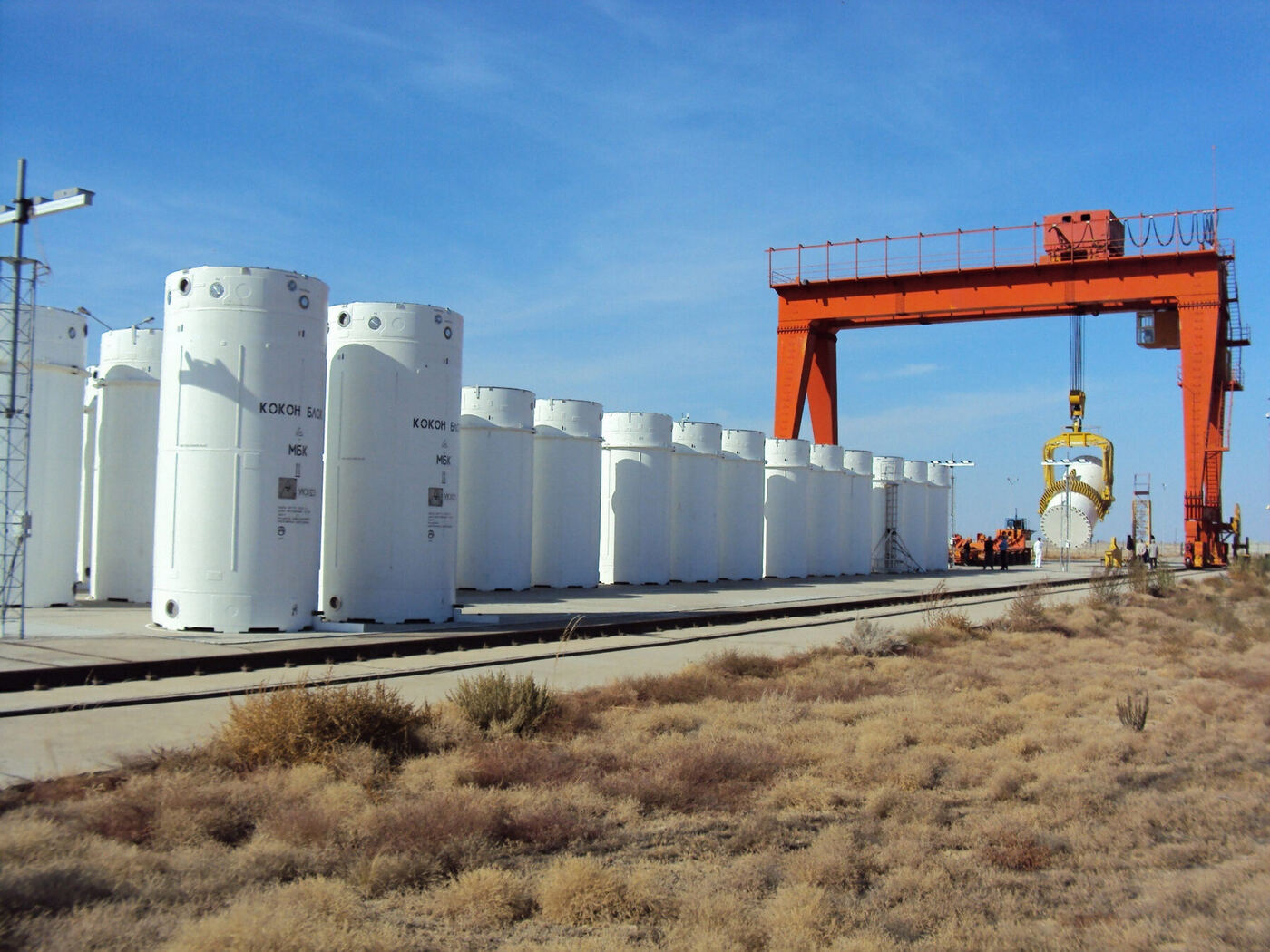
Idaho's EBR-II fast reactor ran from 1964 to 1994 with its own on-site recycling.23 Spent fuel leaving a reactor today is roughly 95% uranium and about 1% plutonium; France recovers both at La Hague and reuses them.23 America has the technology and does not use it.
Status: proven in the 20th century, idle in the 21st.
Microreactors, ships, space
Small enough to truck. Proven at sea.
Three test microreactors reached first (zero-power) criticality under Department of Energy authorization between June 4 and July 1, 2026.24 The Navy counts more than 162 million miles and 6,900 reactor-years without a reactor accident.25 NASA ground-tested a one-kilowatt space fission reactor in 2018, and radioisotope generators have powered both Mars rovers and the Voyagers since 1977.26
Status: test reactors critical; commercial units not yet.
Fusion: the long bet
Real physics. No plant yet.
No fusion power plant exists, and none is under construction. On 5 December 2022 the National Ignition Facility got 3.15 megajoules of fusion energy from 2.05 megajoules of laser light, the first laboratory ignition; the lasers themselves drew far more from the wall. Its record stood at 8.6 megajoules in April 2025.27 ITER's 2024 schedule puts research operation at 2034 and full deuterium-tritium runs at 2039.28 The NRC published a proposed licensing framework for fusion machines in February 2026.29
Status: worth funding. Not worth waiting for.
Heat, not just power
Steam for factories. Firm power for datacenters.
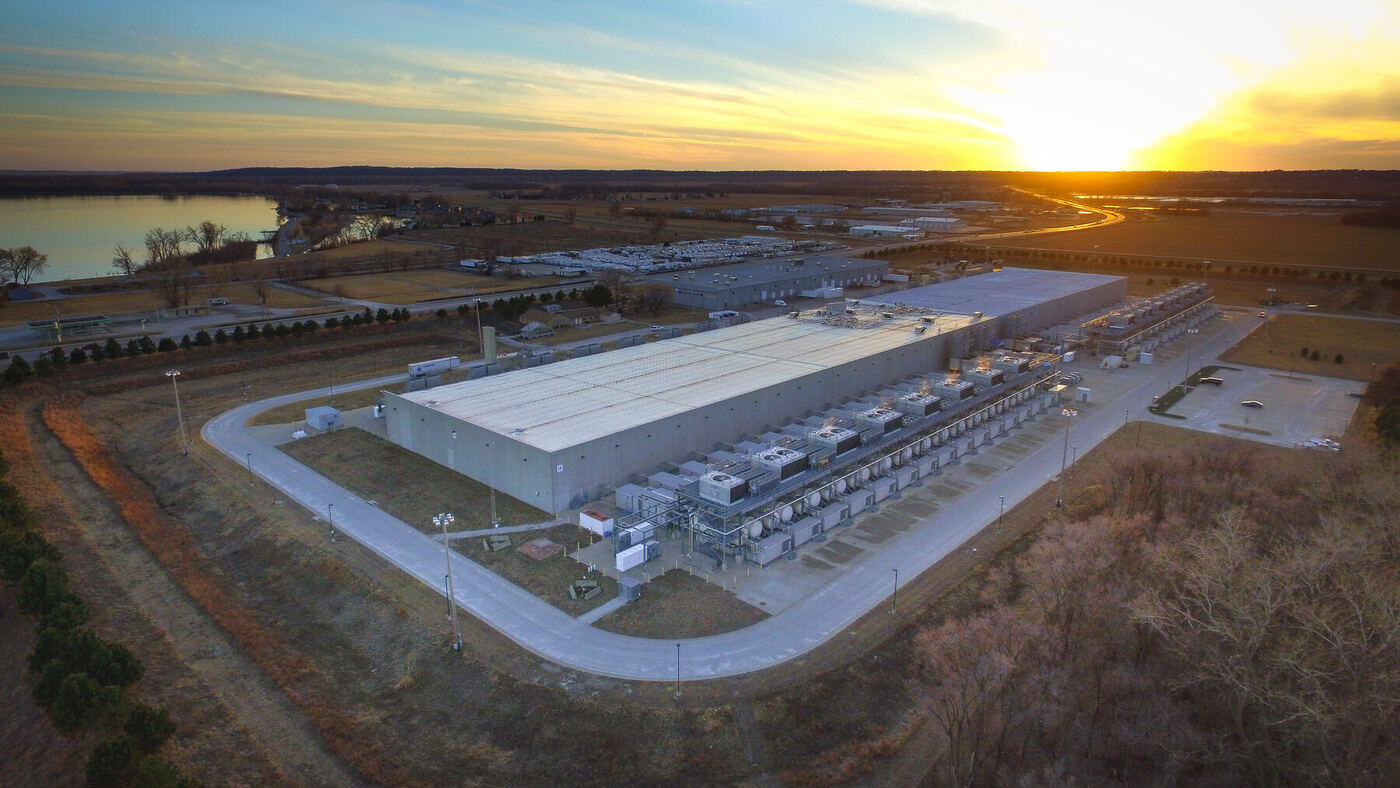
Industry burns gas for heat as much as for electricity. A chemical plant on the Texas coast has applied to build four high-temperature reactors, about 80 megawatts electric and 200 thermal each, to raise its process steam; the NRC's safety and environmental reviews were complete by October 2026, with the permit decision pending.30 The datacenter story is below.
Status: first permit under review.